Botswana, like much of Africa, faces a pressing protein deficit. While the global average protein consumption is 91 grams per person per day, the average Motswana consumes significantly less, leaving communities, particularly in rural areas, vulnerable to malnutrition. Fish, one of the most affordable and nutrient-rich protein sources, remains underutilised but aquaculture, the farming of fish and other aquatic species, offers a strategic, sustainable solution.
Africa currently produces around 13.1 million tons of fish annually, yet aquaculture contributes just 2.3 million tons, with Egypt accounting for 66% and Nigeria 11% of output. According to the World Economic Forum (WEF), scaling up fisheries and aquaculture could reduce the continent’s protein deficit by 25%, adding roughly 3.3 million tons of protein each year. Doubling fish production to 26.2 million tons would substantially improve access to affordable animal protein, especially for communities that rely on fish as their primary source of nutrition.
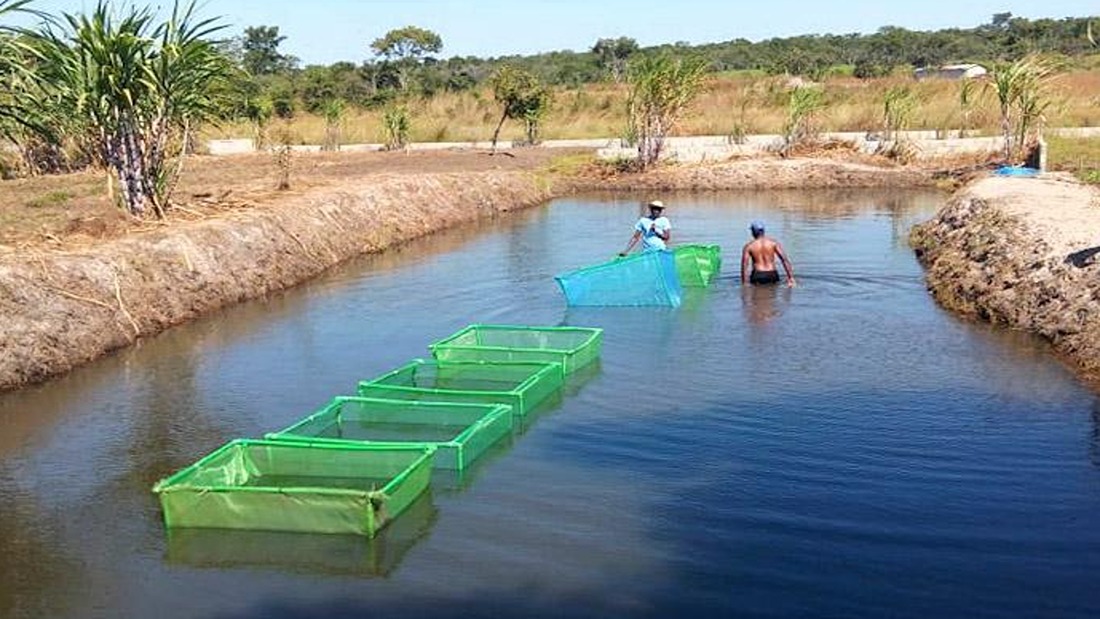
In Botswana, the potential for aquaculture remains largely untapped. The Okavango Delta, Chobe River and numerous pans provide ideal conditions for freshwater fish farming, particularly tilapia and catfish. Pilot projects in these regions have demonstrated that integrated fish farming, combining aquaculture with vegetable and smallstock production, can enhance household food security while creating new income streams. “Developing aquaculture is not only about food security, it is also about creating sustainable rural economies and improving livelihoods,” noted a fisheries expert in Gaborone.
Structural challenges, however, continue to constrain growth. High feed costs, which account for 70%–80% of production expenses, rely heavily on imported fishmeal and soy-based feeds. Weak biosecurity, disease risks, inadequate cold-chain systems and limited processing infrastructure further reduce efficiency and productivity. The WEF highlights that up to 50% of processed fish is lost, yet nutrient-rich by-products, such as heads, bones and skins, could be converted into fishmeal or functional foods, unlocking additional protein without further straining wild stocks.
Scaling aquaculture in Botswana could create multiple benefits: improved nutrition, rural job creation, youth and women’s empowerment and reduced reliance on imported protein sources. By investing in hatcheries, feed production, cold-chain facilities and value-added processing, the country could transform aquaculture from a niche activity into a cornerstone of national food security and economic diversification.
With rising domestic demand and an eye on regional export markets, Botswana has an opportunity to join the continental push to make aquaculture a sustainable and profitable protein powerhouse. As the Okavango and Chobe initiatives expand, smallholder farmers and local enterprises stand to gain both livelihoods and resilience, turning waterscapes into engines of growth, improved nutrition and long-term prosperity.