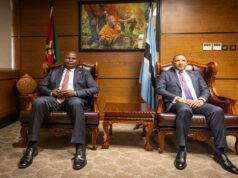
In the grand halls of the United Nations headquarters in New York, the diplomatic status quo faced a stinging reckoning. Addressing the 81st UN General Assembly General Debate, Malawi’s Minister of Foreign Affairs and International Cooperation, Dr. George Chaponda, issued a trenchant critique of global governance, urging the world body to shed its reliance on grandstanding and evolve into a true “engine of delivery” for developing nations.
Warning that public faith in multilateralism is teetering on the edge of collapse, Chaponda made it clear that rhetoric is no longer enough to mask broken promises.
“Restoring trust in the international system requires concrete action on development, climate change, debt, global governance, health and peace,” Chaponda told delegates, cautioning that traditional international institutions systematically expose developing economies to severe, unmitigated shocks.
A Crucible of Climate and Debt
Chaponda’s intervention strikes at the heart of a crisis gripping both Malawi and the wider Southern African Development Community (SADC). The landlocked nation has endured crippling economic headwinds, further battered by climate-induced extreme weather from devastating tropical cyclones to prolonged, El Niño-driven droughts.
These environmental disasters have severely disrupted agricultural yields and heightened regional food insecurity. For low-income nations forced to allocate huge shares of national revenue to debt servicing, the fiscal squeeze leaves precious little space to invest in healthcare, education, or climate adaptation.
To break this vicious cycle, Chaponda demanded immediate comprehensive debt relief and expanded access to concessional financing aimed at bolstering key sectors across southern Africa. Central to his address was a call to fully capitalise the Loss and Damage Fund a vital mechanism meant to compensate climate-vulnerable countries bearing the heaviest costs of global warming despite contributing negligible emissions.
Powering Southern African Agriculture: The Botswana Model
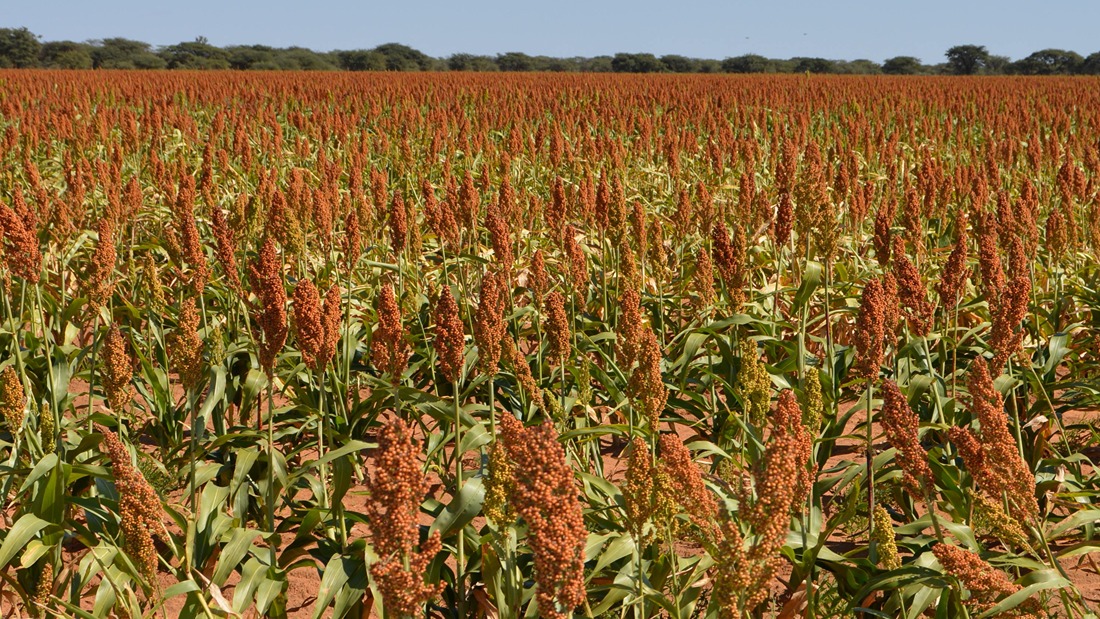
Nowhere is the demand for structural support more evident than in the agricultural ambitions of southern Africa. As developing economies fight for fiscal survival, the agricultural sector remains the bedrock of regional resilience and economic independence.
Across the SADC region, countries like Botswana are actively demonstrating how targeted investment and innovative policies can reshape the agricultural narrative. Long celebrated for its beef export industry and sustainable rangeland management, Botswana has emerged as a beacon for agricultural transformation in the Global South.
By leveraging concessional funding, modernising infrastructure, and deploying climate-smart farming strategies, Botswana’s agricultural sector highlights precisely what is possible when international financial institutions provide fair, accessible capital. For nations like Malawi, elevating agricultural output isn’t merely an economic goal it is a matter of national security and food sovereignty that requires the global community to move beyond performative speeches and provide tangible financial backing.
Demanding Institutional Parity
Turning to security and health equity, Chaponda aligned Malawi with a unified push across the African continent for fundamental institutional overhaul.
“Permanent African representation, complete with veto rights, is essential to rectify the historic underrepresentation of a continent home to 1.4 billion people,” Chaponda argued, insisting that the UN Security Council must reflect modern realities.
He further pressed for a legally binding global Pandemic Treaty alongside heavy investment in African pharmaceutical manufacturing to ensure the stark vaccine inequities of recent global health crises are never repeated.
Despite his sharp rebuke of Western-centric decision-making and delayed climate financing, Chaponda closed on a note of constructive engagement. Reaffirming Malawi’s commitment to economic diplomacy, he declared that the nation remains “open for business” to international partners ready to invest in sustainable, equitable development.