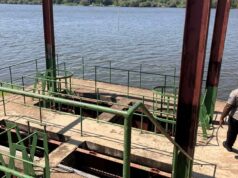
Wilderness, a leading conservation and hospitality company, has unveiled a P2.4 million agriculture and training project in Shorobe, signaling a significant investment in community empowerment and sustainable tourism. The initiative, named Shokomoka Agri-Training Facility, aims to enhance food security, create jobs, and foster economic inclusion within local communities.
The multi-million pula project will deliver practical training in critical agricultural areas, including vegetable farming, seedling production, and beekeeping. A key target of the initiative is the annual production of over 10,000 seedlings, contributing to local agricultural output.
Driving Job Creation and Food Security
The Shokomoka Agri-Training Facility is set to be a vital source of employment, creating eight permanent jobs and providing temporary employment for up to 10 individuals from the Shorobe community. Furthermore, the program will equip 10 farmers every two years with the skills to supply high-quality produce to both local markets and the burgeoning tourism industry. Wilderness has already engaged government officials and Shorobe village leaders in the project’s mobilization efforts, underscoring a collaborative approach.
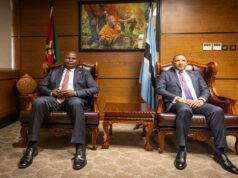
Speaking at a recent stakeholder breakfast in Gaborone, Joe Matome, Caretaker Managing Director of Wilderness Botswana, emphasized the company’s unwavering commitment to sustainable tourism and community well-being. “We do not pursue impact as an obligation,” Matome stated. “We pursue it because it is our purpose.”
Strategic Partnerships for Economic Empowerment
In a move to further bolster local economic growth, Wilderness also formalized a new Memorandum of Understanding with Stanbic Bank Botswana. This partnership is designed to provide local tourism suppliers with improved access to financing, aligning with Wilderness’s broader mission to dismantle barriers to growth and champion citizen economic empowerment through financial inclusion.
The stakeholder breakfast also offered a preview of the upcoming second edition of the Wilderness Local Supplier Expo in Maun. Slated for 2025, the expo aims to increase procurement spend with citizen-owned enterprises and support their capacity building. To date, this initiative has already generated over P6.3 million in procurement for local suppliers, demonstrating its tangible impact.
Wilderness’s developmental framework continues to be anchored in three core pillars: education, empowerment, and environmental protection. Matome concluded, “Our message is simple: we engage for progress, we partner for impact, and we show up where it matters most.”