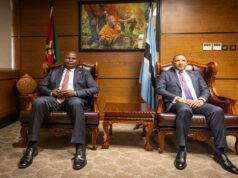
GABORONE—Botswana’s National Development Bank (NDB) has secured a vital $10 million (approximately P133 million) loan facility from the Arab Bank for Economic Development in Africa (BADEA), providing a strategic buffer for the nation’s primary grain-producing regions.
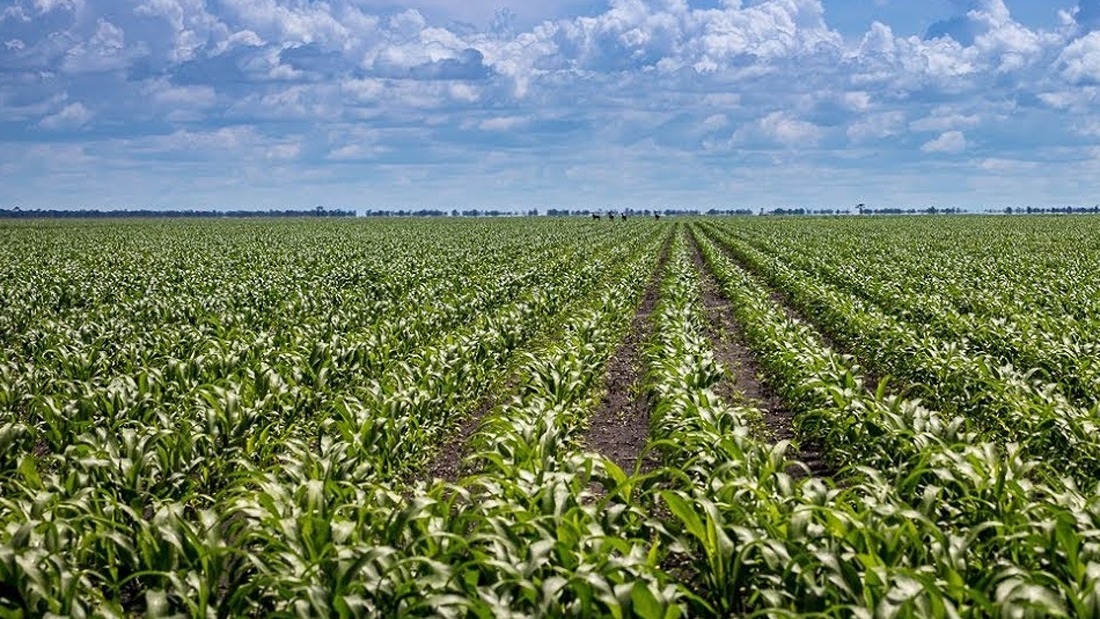
The funding, which has officially entered the drawdown phase as of February 2026, is specifically “ring-fenced” to provide seasonal credit to farmers in the Pandamatenga and Mosisedi clusters, areas that serve as the bedrock of the country’s arable agricultural output.
The intervention comes at a precarious moment for the domestic agricultural sector, which has recently been pushed to the brink by a combination of delayed state payments and escalating input costs. Late in 2025, commercial growers issued a dire warning that the 2025/2026 planting season was in jeopardy as farmers struggled to fund basic operations.
By providing targeted capital for seeds, fertilizers, and mechanization, the NDB aims to stabilize production cycles and reduce Botswana’s heavy reliance on staple food imports, which currently expose the economy to volatile external price shocks.
“This facility is a significant milestone in strengthening agricultural financing and advancing Botswana’s sustainable economic transformation agenda,” the NDB stated in a release detailing the BADEA partnership. The bank emphasised that the capital is intended to bridge the funding gap for both commercial and emerging farmers, ensuring that the country’s “breadbasket” regions can maintain productivity despite the dual pressures of climate variability and tightening credit markets.
The move also aligns with a broader strategic reset as the state-owned lender seeks to modernise the agricultural value chain. Beyond mere survival, the NDB-BADEA facility is expected to catalyse a shift toward more resilient farming practices, supporting the acquisition of advanced mechanisation that can better withstand the increasingly erratic rainfall patterns affecting Southern Africa. As the government looks to double agriculture’s contribution to the national GDP, the success of this $10 million injection will be viewed as a litmus test for the viability of state-led agricultural commercialisation.