GABORONE — Botswana is mounting an aggressive push to transform its agricultural sector, deploying import restrictions, targeted state funding, and modern technology to reduce reliance on foreign produce and triple the industry’s economic output.
The landlocked Southern African nation is targeting an increase in agriculture’s contribution to gross domestic product from 2% to 6%. The strategy rests heavily on scaling up horticultural production, modernizing cultivation techniques, and shifting local growers from subsistence farming to commercially viable operations.
“Meeting our ambitious target will require a fundamental shift in how we approach cultivation,” said Lands and Agriculture Minister Edwin Dikoloti. “Achieving this level of growth is not merely about expanding acreage, but demands greater investment in precision irrigation, digital technologies, and structural innovation across the value chain.”
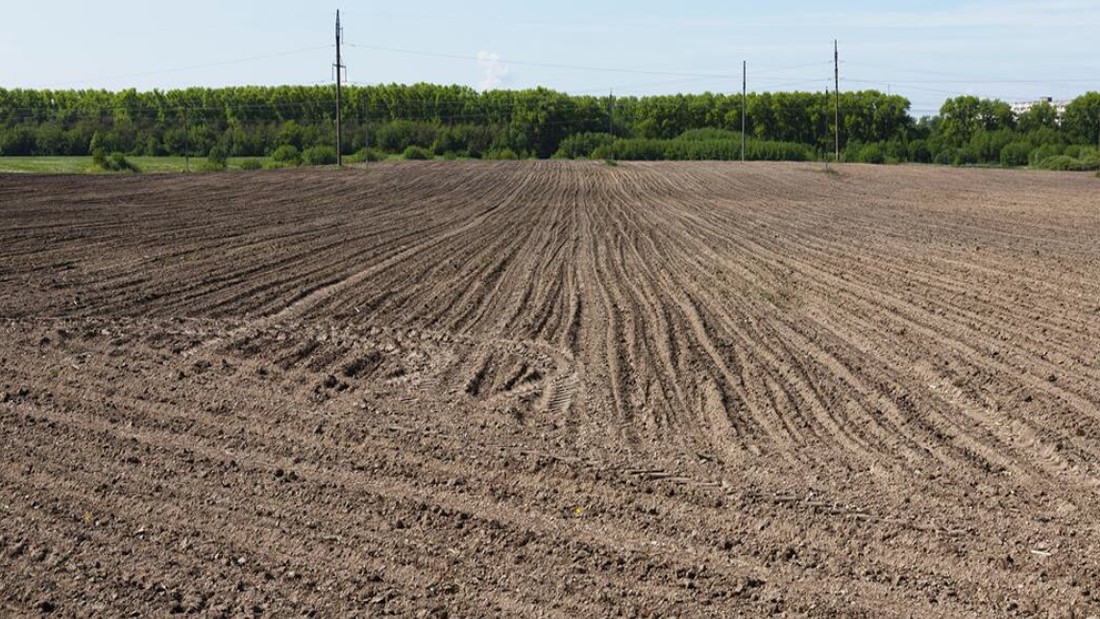
The push toward commercialization is already yielding measurable results at the regional level. In Kweneng District, active horticultural ventures jumped to 430 including 420 fully operational sites up from 253 during the same period a year earlier. Across 204.69 hectares of cultivated land, farmers in the district generated approximately 1,697 tonnes of fresh vegetables.
Nationally, domestic supply capacity has surged. Government data show Botswana produced 140,881 tonnes of horticultural products between April 2025 and January 2026, including 114,080 tonnes of essential vegetables.
To shield domestic growers while building local capacity, Gaborone has coupled direct state intervention with trade measures. Import bans on select produce, introduced in 2022, have sharply curtailed foreign crop inflows. As a result, Botswana’s horticultural import bill dropped from 634 million pula ($47.4 million) in 2018 to 182 million pula ($13.6 million) in 2023.
“We are deliberately using policy tools to align market access with domestic capability,” Dikoloti said. “By leveraging import restrictions alongside targeted production incentives, we are securing market share for local producers and insulating our economy from external price shocks.”
Capital is following policy. Under the government’s Impact Accelerator Subsidy Programme, funding has been channeled into 319 commercially oriented projects, 305 of which are active. The program has already created 363 direct jobs while allowing operators to acquire modern machinery. Additionally, the state is encouraging climate-smart drip systems to navigate persistent water stress and stabilize yields during periods of drought.
Despite the momentum, significant headwinds remain. High operational costs limited cold-chain storage, and structural water shortages continue to test local producers. Yet, as the government seeks to diversify away from diamond mining, the push for agricultural self-sufficiency marks one of the country’s most sustained economic realignment efforts to date.