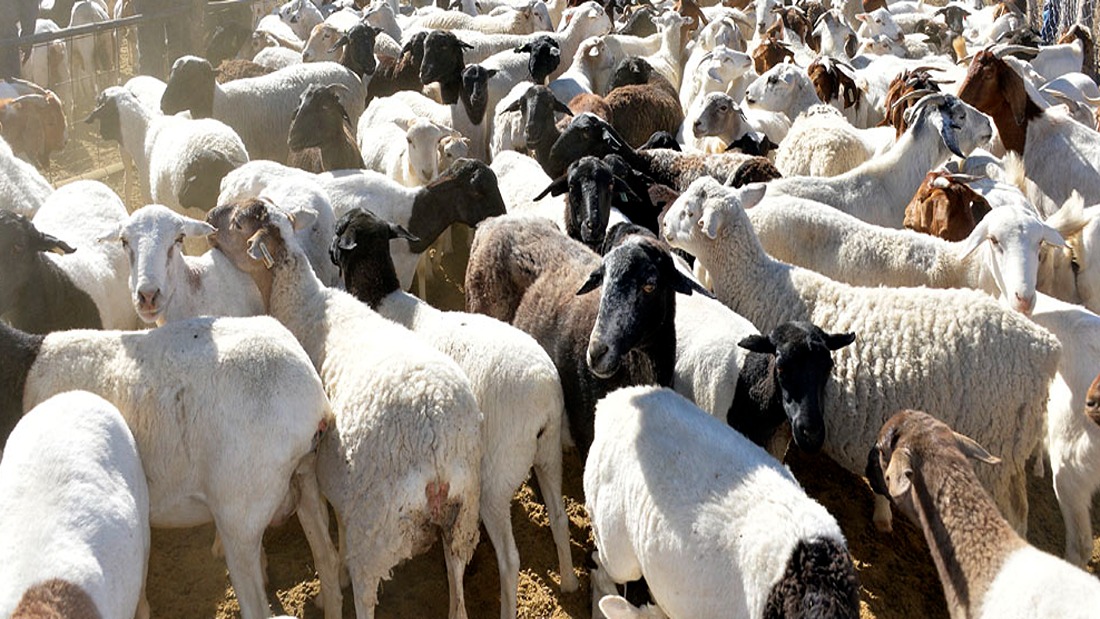
The much-anticipated agreement to export small stock from Botswana to Saudi Arabia has officially collapsed before ever reaching the implementation stage. President Duma Boko recently informed Parliament that the deal, which was first spearheaded by former president Mokgweetsi Masisi in 2020, proved fundamentally unworkable. The primary catalyst for the failure was an insurmountable gap between Saudi Arabia’s immense requirements and Botswana’s actual production capacity. According to the President, the sheer scale of the demand made the arrangement impossible to sustain under current agricultural conditions.
Boko revealed that the Saudi market required a staggering monthly supply of 500,000 animals, a figure he characterised as entirely unrealistic for the nation’s current livestock sector. He explained that even if the paperwork had been finalised, it would have taken Botswana many years of aggressive growth just to reach a fraction of those numbers. The collapse of the deal serves as a sobering reminder of the logistical hurdles facing the country’s agricultural exports when dealing with global markets that demand high-volume, consistent supply chains.
The President suggested that the only way to meet such massive international quotas in the future would be through robust regional partnerships with neighbouring countries. He noted that Botswana cannot realistically compete in these large-scale markets in isolation and must instead look toward coordinated efforts across Southern Africa. Furthermore, he underscored the urgent need for domestic investment to expand the national herd, ensuring that future trade opportunities are based on feasible production targets rather than unattainable projections.
“The numbers required on a monthly basis are far beyond what Botswana can currently provide.” President Duma Boko
Despite the initial optimism surrounding Masisi’s 2020 announcement, which promised job creation and a transformation of the veterinary and transport sectors, the deal remained a vision that never materialised. While the previous administration had suggested that preparations were well underway, Boko’s update confirms that the lack of feasibility regarding stock levels ultimately ended the project. For now, the focus shifts toward building a more resilient and scalable agricultural foundation before Botswana attempts to engage with markets of this magnitude again.