Rising animal protein production is pushing the Philippines’ feed sector into an expansion phase, with poultry and aquaculture leading a demand surge that is reshaping the country’s grain consumption patterns heading into marketing year 2026/27.
Chicken production is forecast to reach 1.81 million tonnes in 2026, up 7.1% year-on-year, whilst aquaculture output reached 729,000 tonnes in 2025, a 5.6% increase. Chicken egg production also rose 8.3% to 848,000 tonnes. Together, these gains are sustaining strong demand for balanced feed formulations across species, with feedmills maintaining two to three months of raw material stocks to absorb price and supply shifts.
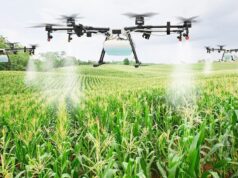
Corn remains the primary energy ingredient in commercial feed, with total supply projected to reach 5.8 million tonnes, a 0.9% increase as domestic production shows only marginal growth. Higher fertiliser and fuel costs are constraining farmers, with urea, amosil and diesel prices reaching their highest levels since 2022, driving greater reliance on corn imports to meet the shortfall.
Feed wheat plays a more flexible role in formulations. Demand is supported by poultry, aquaculture and the growing pet food sector, though its competitiveness weakened between September and December 2025 when imported feed wheat became significantly more expensive than corn, a shift expected to temper its use going into the new marketing year. Aquaculture producers are increasingly adopting floating extruded feeds, which improve feeding visibility and reduce waste compared to cheaper sinking feeds that carry higher waste accumulation risks.
Weather adds another variable. A normal dry season is supporting grain movement but rising El Niño risks later in 2026 could tighten water supply and limit irrigation for rice and corn, constraining domestic grain output further and deepening dependence on imported feed ingredients.