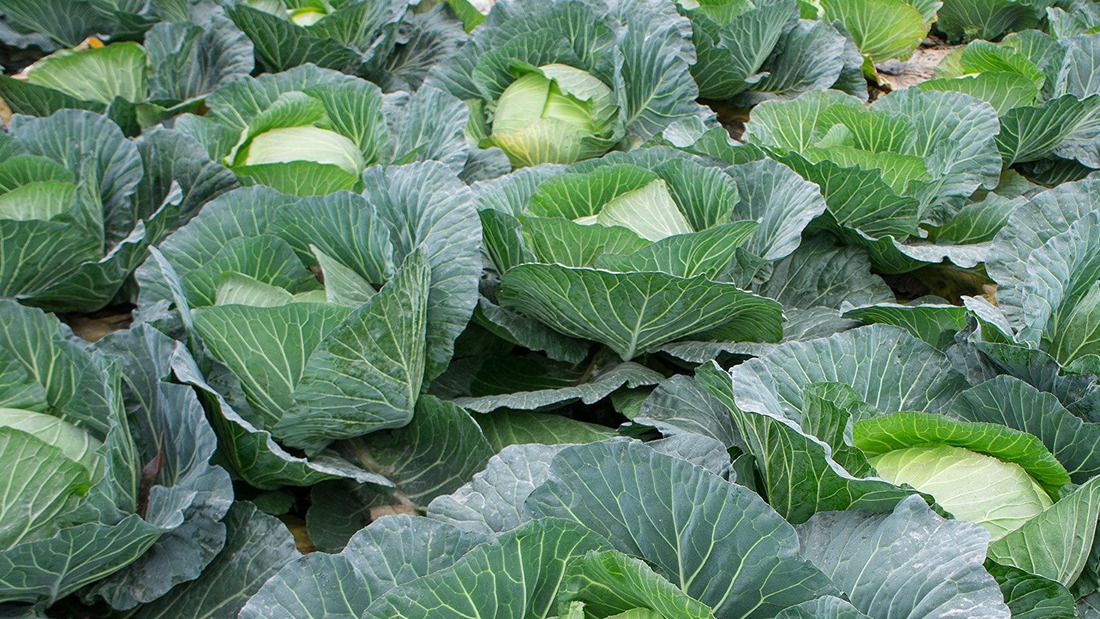
A prison farm in Molepolole is demonstrating that agricultural production can serve two purposes at once, reducing the cost of public services while equipping offenders with skills for life after release. The Botswana Prison Service generated an agricultural harvest worth P2,044,568 during the 2025/2026 cropping season, including 3,000 bags of maize, 368 bags of sorghum and 147 bags of beans.
The harvest also included 36,110 kilogrammes of vegetables, 3,542 kilogrammes of citrus fruit and 20,000 kilogrammes of mixed livestock feed. Much of the produce has been directed towards prison kitchens or prepared for use, reducing government expenditure on prisoner upkeep. Minister of Justice and Correctional Services Nelson Ramaotwana said agriculture had become an important part of productive rehabilitation while contributing to national food security. He said Botswana could no longer rely solely on mineral exports and imported food, stressing that agriculture was central to economic diversification and long term food security.
The government’s wider target is to raise agriculture’s contribution to GDP from below two per cent to more than six per cent by 2036 through the Botswana Economic Transformation Programme and National Development Plan 12. At Molepolole Prison, the model is already producing measurable gains. Commissioner Anthony Mokento said maize production had risen from about 600 bags in 2012 to more than 2,500 bags this year, with production expected to exceed 3,500 bags next year.
The programme is also being shaped by climate realities. Improved seed varieties, mechanisation, efficient water use, drip irrigation and soil management are being used to strengthen production under increasingly difficult conditions. The rehabilitation dividend is equally important. The programme gives inmates practical agricultural skills that can be applied after release, while the Prison Service has established community reintegration committees to support former offenders.
Mokento said correctional services were built on three pillars: custodial services, rehabilitation, and reintegration. The result is a model that connects food production with workforce development and public sector efficiency. It also offers a practical example of how government owned land and institutions can contribute to the wider agricultural economy rather than functioning only as consumers of public resources.