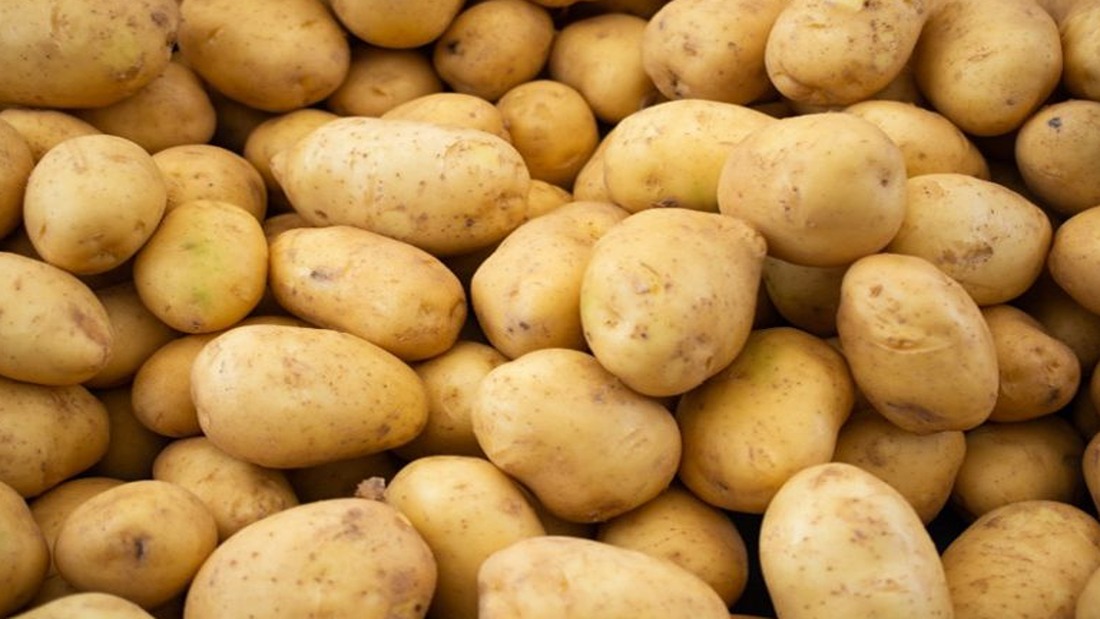
A sector with significant untapped potential is coming into sharper focus in Botswana, with agricultural experts making the case that a strategically developed potato industry could reduce import dependence, strengthen food security and create a new engine of rural economic growth.
Speaking at an industry event held in Sebele to explore the opportunities and challenges facing one of Botswana’s most promising horticultural sectors, the Department of Plant Health’s Agricultural Scientific Officer, Matshidiso Masopa outlined a compelling case for deliberate investment in the full potato value chain from production through to processing, packaging and storage.
“Harnessing the economic potential of potatoes for food security, public health and prosperity in Botswana is vital,” said Masopa, noting that national demand for potatoes is exceptionally high compared to other horticultural crops, a gap that is currently being filled by imports rather than domestic production.
Masopa identified the establishment of production hubs, the development of processing facilities and the cultivation of strong public-private partnerships as the structural pillars of a competitive local industry. With strategic investment, capacity building and supportive policy, she argued, Botswana has a genuine opportunity to build a thriving potato sector that meets local demand whilst positioning the country as a regional leader in production and processing.
Beyond economics, Masopa placed significant emphasis on post-harvest management as a critical and often overlooked link in the value chain. Potatoes remain physiologically active after harvest, making them highly vulnerable to damage if not handled correctly. She recommended harvesting only when potatoes are mature with firm skin and handling them gently to avoid cuts and bruising, entry points for pathogens that accelerate spoilage and reduce marketable yield.
On packaging, Masopa was specific that paper sacks offer affordability and protection from sunlight and are suitable for storage, cardboard boxes provide strength and protection, making them ideal for supermarkets and export markets and perforated plastic bags work for retail, provided they are kept in cool, shaded conditions. What she cautioned firmly against is the common use of mesh bags, which expose potatoes to light and accelerate greening and sprouting.
The health implications of improper storage and packaging are more serious than many consumers realise. Greening in potatoes signals the accumulation of solanine, a glycoalkaloid toxin found naturally in plants of the nightshade family, concentrated particularly in the skin and sprouts of the potato. When consumed in high amounts, solanine can cause gastrointestinal and neurological symptoms within hours of ingestion. In severe cases, it can lead to irregular heart rate, low blood pressure, respiratory failure and in extreme circumstances, death. Potatoes stored in mesh bags, exposed to light, sprout earlier and present a greater risk of solanine accumulation, making the packaging choice a public health matter as much as a commercial one.
Masopa’s conclusion noted that the potential is real in the sector but realising it requires investment in farmer training, improved infrastructure, fit-for-purpose packaging standards and consumer awareness. A properly developed potato value chain, she argued, would not only reduce Botswana’s reliance on imported produce but drive prosperity and resilience across the broader agricultural economy.