Climate pressures and livestock disease are reinforcing the urgency of building more resilient food systems in Botswana, where the government is seeking to strengthen domestic agricultural production, improve nutrition and reduce vulnerabilities across the agrifood sector.
Speaking at the national commemoration of World Food Day, Acting Minister of Lands and Agriculture Motsamai Motsamai said food security depended on more than increasing production, calling for sustainable food systems that deliver better nutrition, environmental outcomes and livelihoods. He said Botswana remained committed to transforming its agrifood systems in line with the Food and Agriculture Organization’s (FAO) Strategic Framework, which promotes better production, better nutrition, a better environment and a better life for all.
As a semi-arid country, Botswana faces persistent challenges from drought, water scarcity and land degradation. These pressures are compounded by the ongoing foot-and-mouth disease (FMD) outbreak, which has required the government to redirect approximately P97 million towards disease-control measures, according to Motsamai. The government’s response has included vaccination, surveillance, livestock movement restrictions and strengthened biosecurity. Motsamai said these coordinated interventions had contained the disease in several affected areas, while urging farmers to comply with movement controls, observe biosecurity protocols and present livestock for vaccination.
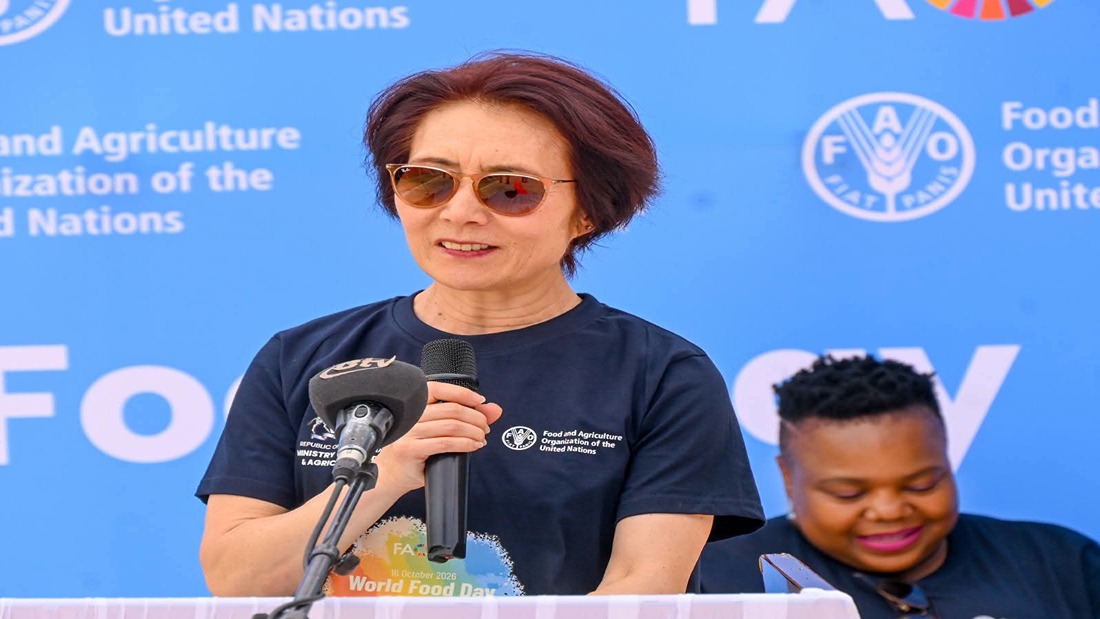
The outbreak underscores the economic importance of protecting Botswana’s livestock industry, a key component of its agricultural sector. Effective disease management is essential to safeguarding animal health, maintaining production and protecting market access. United Nations Resident Coordinator and FAO Representative Wenyan Yang said the global challenge was no longer simply a lack of knowledge or technology to address hunger, but ensuring that available solutions reached the communities that needed them. She emphasised the importance of making innovation accessible, affordable and scalable, particularly for smallholder farmers, women and young people.
Providing an overview of the sector, Deputy Permanent Secretary in the Ministry of Lands and Agriculture Kefentse Motshegwa highlighted progress in employment and domestic production. Botswana has achieved self-sufficiency in beef, poultry meat and eggs, he said, although climate change, limited technology adoption and declining agricultural exports continue to constrain the sector. These challenges point to the need for sustained investment in climate-smart farming, agricultural technology and production systems capable of withstanding environmental and animal-health shocks. Strengthening domestic output will also require improvements in productivity, market access and the ability of local producers to compete in regional markets.
The World Food Day commemoration brought together government representatives, development partners, farmers, researchers and other stakeholders to renew their commitment to inclusive and sustainable agrifood systems. The priority is to turn that commitment into practical gains in agricultural resilience, productivity and nutrition, while protecting the livestock sector from disease and helping farmers adapt to increasingly difficult production conditions.