Sustaining vaccination coverage, detecting renewed viral activity and managing cross-border transmission risks are central to Botswana’s efforts to recover from Foot and Mouth disease (FMD), as veterinary authorities work to consolidate containment gains and restore the country’s disease-free status.
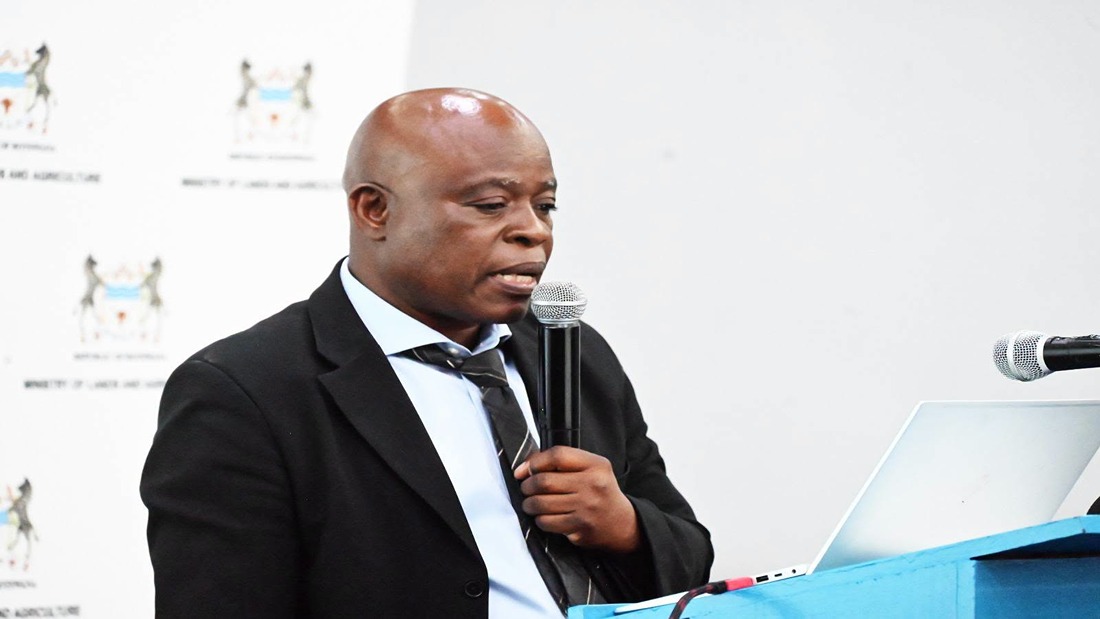
Providing an update at the Foot and Mouth Disease Media Engagement Forum, Director of Veterinary Services Kobedi Segale said the national response had shifted from emergency intervention towards recovery, with greater emphasis on surveillance, vaccination effectiveness and maintaining protective immunity in livestock. The North East outbreak affecting Zones 3C (Maitengwe) and 6B was officially closed by the World Organisation for Animal Health (WOAH) on 24 July 2026, following the last reported cases on 16 March 2026. Segale said the recovery strategy centres on sustained vaccination, enhanced surveillance, assessments of vaccine effectiveness and bilateral cooperation with Zimbabwe to reduce cross-border disease risks.
Progress has also been recorded in the southern containment areas, where the last cases were reported on 12 September 2026. Most affected areas have since been cleared, although Phitshane-Molopo, Mabule and the Sekuthane extension area remain under active management. Three rounds of emergency vaccination have been undertaken, with the remaining affected areas expected to complete their vaccination interventions before the end of October 2026. In Kgatleng District, the outbreak remains confined to Dikwididi, Oodi and the Mochudi East extension areas. The first round of emergency vaccination achieved 93% coverage, with veterinary authorities reporting a strong immune response among vaccinated animals.
The second round commenced on 20 October 2026, alongside continued surveillance and public awareness campaigns to reinforce compliance with disease-control measures. Authorities are also pursuing targeted vaccination in Tsabong, designated Zone 13 and the Tuli Block farms in Zones 9 and 10. These interventions aim to establish protective zones along Botswana’s borders with South Africa and Namibia through risk-based vaccination and surveillance. No cases have been reported in the targeted areas. Livestock movement controls have been relaxed across most of the country as the disease situation improves. Restrictions remain in Zones 11 and 13, however, reflecting continuing risks in those areas.
Controlled livestock movements for slaughter have resumed in designated locations under specified veterinary conditions. Maintaining oversight of these movements remains essential to preventing further transmission and protecting progress towards recovery. The Ministry of Lands and Agriculture continues to urge farmers, livestock traders and communities to maintain strict biosecurity, comply with veterinary movement requirements and report suspected cases promptly to the nearest veterinary office.