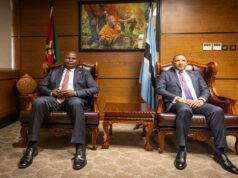
Botswana is looking to China for more than investment, it is seeking practical agricultural models, technology and market access as the country works to rebuild agriculture into a more commercially significant part of the economy. A Botswana delegation led by Presidential Envoy and Special Advisor on Investment and Economic Affairs Miles Gengxu Nan and Botswana Investment and Trade Centre Regional Director for India and Asia Dipopego Julius Tsheko recently visited Beijing’s Pinggu District, where it examined smart logistics, modern farming and agricultural market infrastructure.
The delegation toured the Dongjiu Xinyi Smart Logistics Valley, the Belt and Road Import Commodity Pavilion, a smart egg laying farm and the Agricultural Zhongguancun Zero Store. The visits formed part of a broader effort to identify areas where Chinese expertise and investment could support Botswana’s agricultural transformation. The discussions produced a Memorandum of Understanding covering investment, industry and friendly cooperation. The two sides agreed to accelerate work on a Botswana exhibition pavilion in Beijing, develop modern agricultural demonstration projects and explore sister town relations between Chobe District and Pinggu.
The timing is significant for Botswana as agriculture once accounted for roughly 40% to 46% of GDP in the 1960s before the rise of mining, particularly diamonds, progressively reduced its relative economic weight. With the global rough diamond market facing pressure, agriculture is again being positioned as part of the country’s diversification strategy. Tsheko explained, “In the 1960s, agriculture was the primary backbone of Botswana’s economy, contributing roughly 40% to 46% of the Gross Domestic Product (GDP). However, with the discovery of diamonds a few years after independence, the contribution of agriculture to the GDP slowly diminished. Now with the global market of rough diamonds facing a downturn, the country is left with no option but to turn back to agriculture for both food security and economic diversification.”
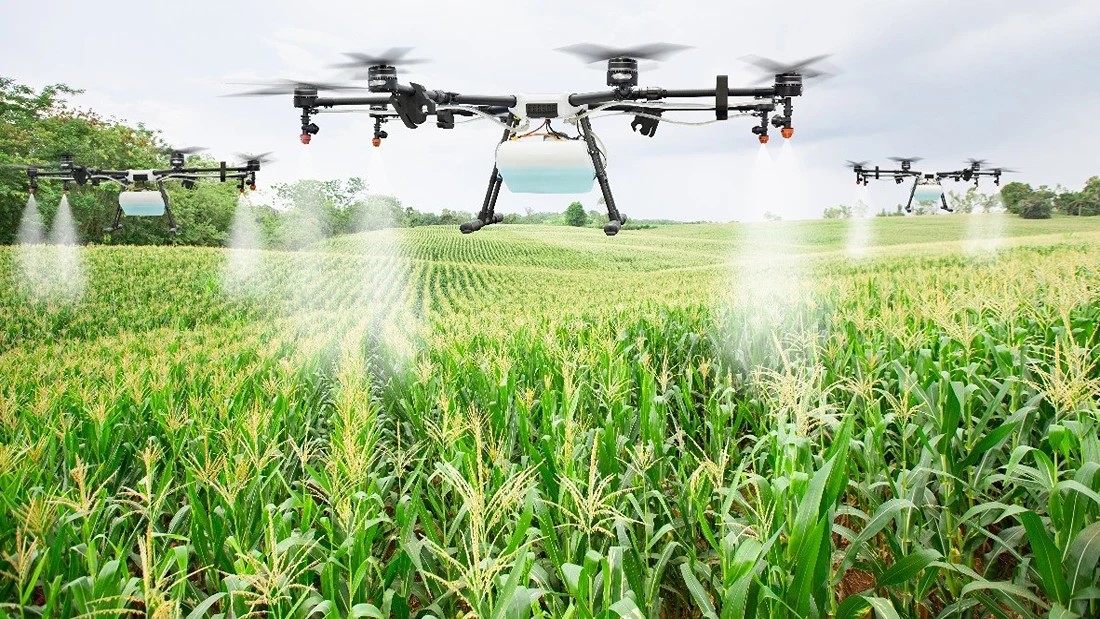
The proposed cooperation therefore extends beyond conventional agricultural assistance. Demonstration projects could provide a route for testing technologies and production models locally, while the proposed Botswana pavilion could give local producers a more direct platform into the Chinese market. The immediate opportunity is to convert the relationship into commercially viable projects. For Botswana, that means moving from agricultural policy and investment promotion towards production systems that can improve productivity, strengthen food security and create products capable of competing beyond the domestic market.