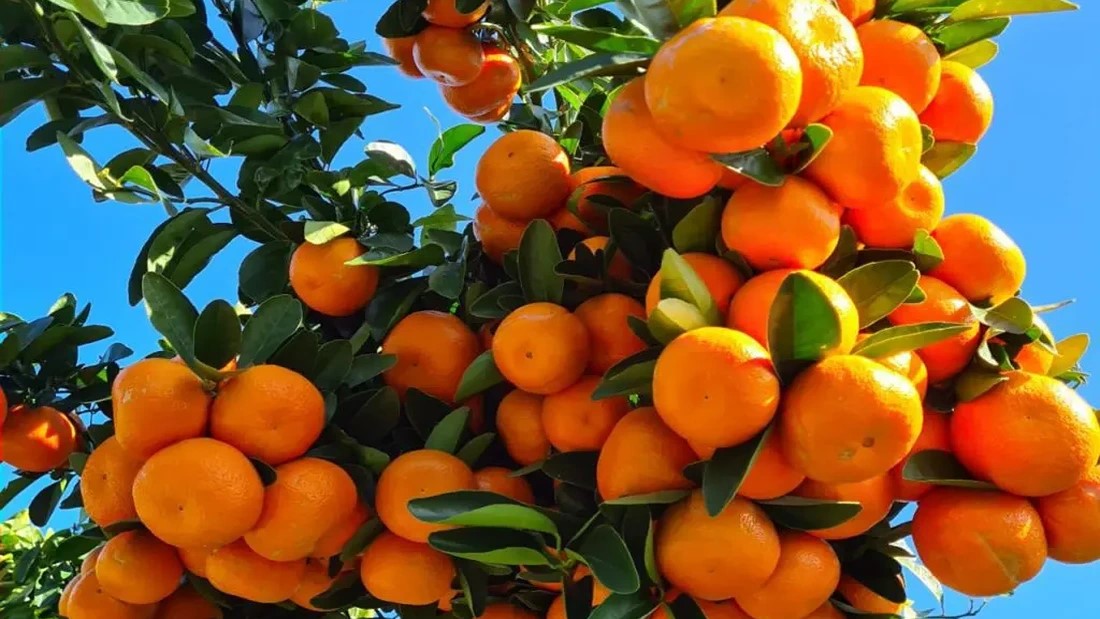
A 10,440kg consignment of naartjies destined for Shoprite has put Botswana’s citrus import controls under renewed scrutiny, as the government steps up enforcement while urging consumers and retailers to give greater priority to locally grown produce.
The Ministry of Lands and Agriculture seized the consignment after inspectors found that it had allegedly breached conditions attached to its plant import permit. Authorities said the shipment also failed to meet the phytosanitary requirements governing the importation of regulated plant products. Acting Director of Plant Health, Tshepo Mosedame said investigations began after inspectors intercepted the consignment on 11 September 2026. Preliminary findings indicated that the produce had entered Botswana without complying with the conditions attached to its import permit.
The case highlights the dual pressure facing Botswana’s horticulture sector. The government is seeking to expand domestic production and reduce dependence on imported produce, while its plant health authorities are tightening controls to prevent the introduction of pests and diseases that could undermine local farming. Chief Horticulture Officer Mmoloki Khukhutha said Botswana currently produces about 428 tonnes of citrus, equivalent to approximately 138,428 7kg bags. With local supply available, he said, imports of commodities already produced domestically could undermine the growth of local horticultural businesses.
The Ministry is therefore encouraging consumers to support locally grown citrus and other horticultural products, arguing that stronger demand for domestic produce can sustain farmers, strengthen local value chains and contribute to food security. For importers, however, access to the market remains tied to strict plant health requirements. Imported citrus must be accompanied by an original phytosanitary certificate from the exporting country’s National Plant Protection Organisation, confirming that the produce has been inspected and is free from regulated pests and diseases.
Mosedame said the seized naartjies were allegedly packed in a manner that prevented Plant Health Inspectors from detecting the consignment during routine border inspections. The Ministry has classified the shipment as an illegal import and, in accordance with the Plant Protection Act, said it will be destroyed. The enforcement action is unlikely to be confined to the border. Mosedame said compliance inspections are continuing at retailers nationwide as the Ministry seeks to ensure that imported agricultural products meet Botswana’s plant health requirements.
The citrus case therefore brings two strands of Botswana’s agricultural strategy into sharper focus. Protecting domestic growers requires both a market for their produce and a regulatory system capable of controlling the risks associated with imported agricultural products. As local horticulture expands, the balance between availability, market access and biosecurity will become increasingly important. The latest seizure sends a clear signal that the government intends to give locally produced food greater room in the domestic market while tightening the rules governing what enters it.