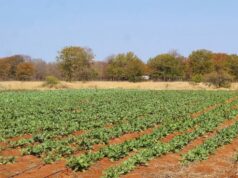
Rising demand for potatoes in Botswana is creating an opportunity to strengthen domestic production and expand agribusiness, with the Food and Agriculture Organization of the United Nations (FAO) backing government efforts to develop the crop’s value chain.
Through the Ministry of Lands and Agriculture, FAO is supporting the implementation of the One Country One Priority Product (OCOP) initiative, which places potato production at the centre of efforts to strengthen horticulture and expand opportunities for farmers and agribusinesses. Speaking on behalf of the Assistant FAO Representative to Botswana, Zibanani Motshabi said the organisation appreciated the Government of Botswana, particularly the Ministry of Lands and Agriculture, for its leadership and ownership of the OCOP initiative.
Motshabi also thanked members of the Technical Working Group and other stakeholders for the expertise, time and commitment they continue to contribute, saying their participation reflected a shared determination to build a more resilient, inclusive and competitive horticulture sector. The initiative comes as Botswana’s agri-food system faces mounting pressure from climate change, erratic rainfall, drought, rising temperatures, pests and diseases, land degradation and high production costs. Strengthening priority value chains is therefore increasingly important to advancing economic diversification, employment creation, import substitution and sustainable rural development under the Botswana Economic Transformation Programme.
The draft Value Chain Analysis and draft Potato Strategy provide a framework for translating that ambition into practical opportunities across the potato industry. Potato presents a potentially important entry point, given its growing domestic demand and scope to support import substitution, food and nutrition security, employment, agro-processing and inclusive agribusiness development. Realising that opportunity will require investment across the full value chain, from quality seed and climate-smart production to harvesting, storage, processing, transport, marketing and trade.
The strategy also seeks to position potato farming as a viable and competitive business while widening opportunities for youth, women and smallholder producers. The push could help shift potato production from an agricultural activity into a more integrated commercial value chain, creating opportunities beyond the farm gate and strengthening the role of horticulture in the country’s economic diversification agenda.