Deteriorating grazing conditions are placing additional pressure on livestock production and rural livelihoods in Botswana’s North West District, prompting renewed efforts to restore communal rangelands and strengthen farmer participation in land management.
Opening a full council meeting on 14 September 2026, North West District Council Chairperson Itumeleng Kelebetseng warned that bush encroachment and declining rangeland quality were reducing productive grazing areas and increasing pressure on the resources that remain. He welcomed the implementation of the Ecosystem-Based Adaptation and Mitigation in Botswana’s Communal Rangelands Project, facilitated by Conservation International and being implemented alongside the Herding for Health model.
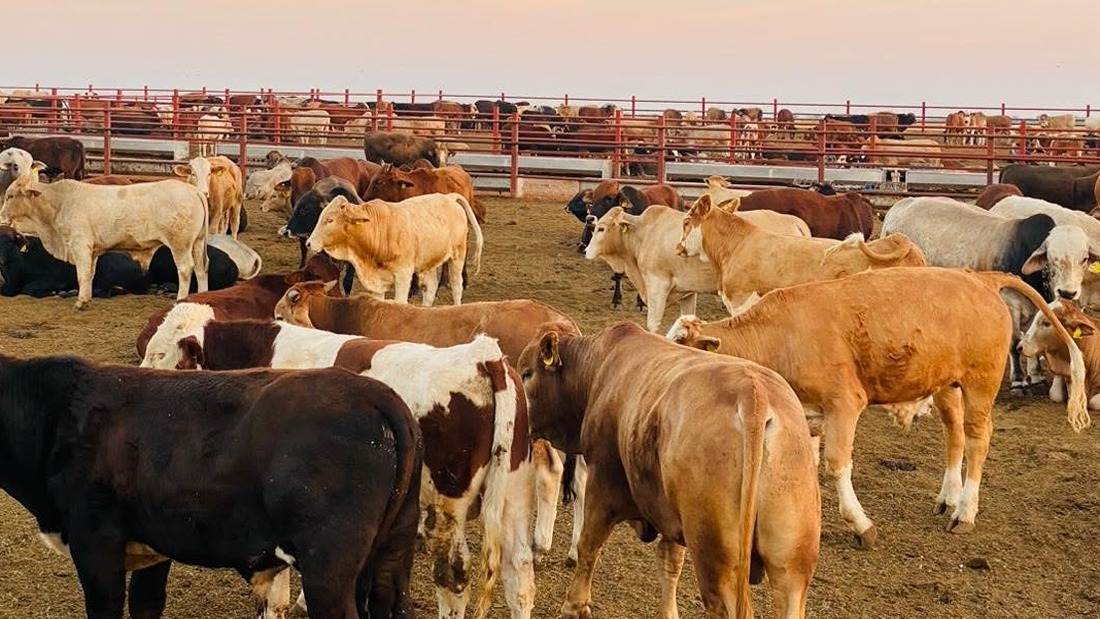
The initiative seeks to improve rangeland management, strengthen livestock productivity and support community livelihoods. The programme is currently being implemented in Phuduhudu, where 242 cattle belonging to 30 voluntary farmers have been enrolled. Ten Eco-Rangers have also been appointed, while community members have received training in animal husbandry. “A significant step is now underway in Sehithwa, where community engagements are commencing to facilitate the rollout of the program. The emphasis will be on ensuring that communities are not merely beneficiaries of the program but are active participants in determining how their communal grazing lands are managed,” added Kelebetseng.
Following Sehithwa, Shorobe has been identified as the next area for community engagement and rollout of the Herding for Health approach. Kelebetseng said the phased implementation would allow lessons from the initial areas to inform future interventions. He urged councillors, traditional leaders, farmers and communities to support the programme and participate in decisions concerning communal grazing land. He said the success of the initiative would depend on community ownership, practical implementation and a shared commitment to managing rangelands as an important resource for present and future generations. Despite the pressure on grazing resources, the district’s livestock sector continues to contribute to the regional economy. Between April and July 2026, 10,260 cattle were slaughtered at the Maun export abattoir.
During the same period, 184,207.80kg of beef was exported to the Democratic Republic of Congo, while 252,802.10kg was supplied to green zones, including Gaborone, Francistown and other areas. The remaining beef was consumed in local markets in Maun and Kasane. Kelebetseng also highlighted efforts to strengthen crop production through farmer training. A total of 107 farmers received training in seed production, including 69 in Sehithwa and 38 in Maun. The programme was undertaken in collaboration with the Botswana Agricultural Marketing Board, Cross Corn and AF-AFRI. A further 191 farmers received training in Integrated Pest Management through meetings, practical demonstrations and training sessions in Legothwana, Tsanakona, Chanoga, Gogomoga, Kareng, Sehithwa and Tsau.
Kelebetseng concluded that such interventions were important in helping farmers manage pests and diseases and protect crop yields and livelihoods. He also stressed the need for a reliable road network, noting that infrastructure was essential to agriculture, tourism, trade, education, healthcare, emergency response and access to markets. The district’s development priorities therefore extend beyond livestock numbers. Restoring grazing land, improving farmer knowledge and strengthening transport infrastructure will all be important to sustaining agricultural activity and protecting rural economic opportunities.