Pandamatenga’s reputation as Botswana’s grain basket is being complemented by a growing horticulture business, as farmers turn to irrigation to produce vegetables for informal traders, households and major retailers throughout the year.
Along the A33 road, the shift is visible during the winter season, when motorists travel hundreds of kilometres to buy bags of potatoes, butternuts and onions for resale in informal markets. Much of the produce is also reaching supermarket shelves, signalling a broader change in the commercial profile of the area. Eastfort Holdings is among the farmers driving that shift. Founded in 2008 by Kaarl Viljoen as a large-scale, rain-fed grain farming operation, the company has expanded into irrigated horticulture to reduce its exposure to dry spells and make greater use of Pandamatenga’s fertile black cotton soils.
According to Eastfort Holdings manager Jorine Rich, irrigation has allowed the company to produce nutritious crops across a wider part of the year while creating benefits for consumers, informal traders and large retailers. The company schedules much of its horticultural production during winter, taking advantage of Chobe’s mild, frost-free conditions. The climate is particularly suitable for crops such as tomatoes, which are vulnerable to severe cold.
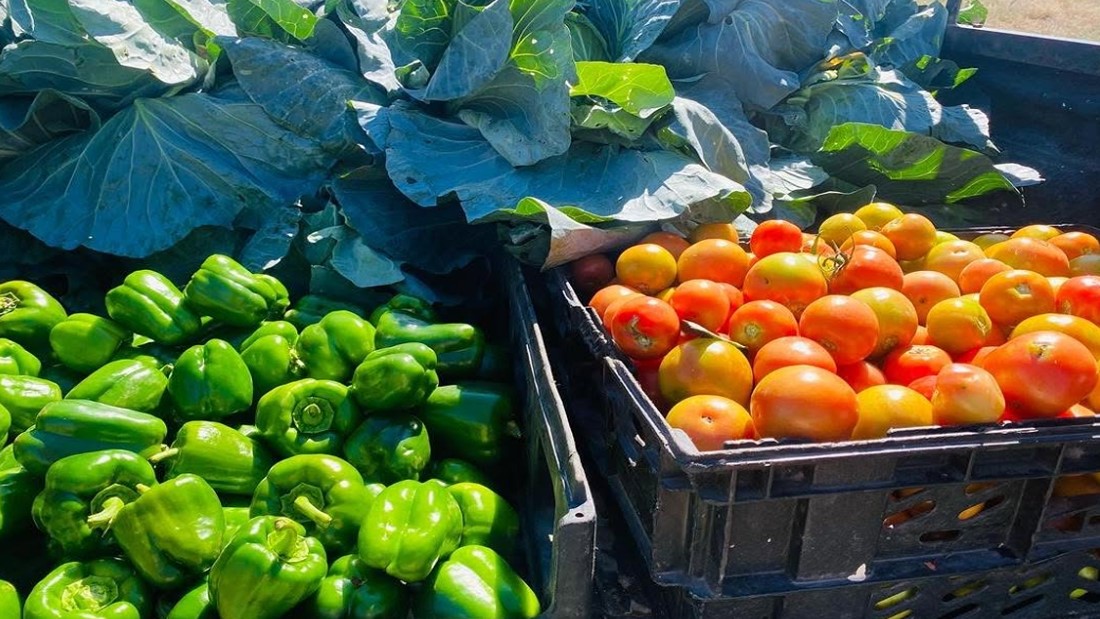
During the current farming cycle, Eastfort cultivated onions, tomatoes, green peppers, watermelons and sweet potatoes, while butternuts were being grown for the November harvest window. The company planted 3.5 hectares of tomatoes and expects to harvest 140 tonnes. A further 4.5 hectares of green peppers produced an estimated 120 tonnes, with both crops still under harvest. Eastfort also planted 22 hectares of onions, which are currently being harvested, and five hectares of watermelons, harvesting of which began this week.
The expansion has not been without difficulty. Rich said the company faced significant market pressure at the start of the season while vegetable import restrictions remained relaxed. Following appeals from farmers, the government introduced a winter vegetable import ban, helping local producers secure a stronger market, particularly for tomatoes, which have a short shelf life.
The operation currently employs 25 permanent workers and an additional 170 temporary workers during the harvesting season. Employees are involved in activities ranging from picking to packaging, while crop yields are supported through pest-control and timely spraying programmes. Eastfort’s location remains a logistical challenge, particularly for retailers concerned about the distance between Pandamatenga and major markets. The company has, however, benefited from backhaul trucking, with trucks delivering goods to Kasane returning south with farm produce.
The company also owns trucks that transport vegetables to customers in Francistown and Gaborone. For Eastfort, the next stage of expansion could lie in agro-processing. Rich said the company would like to investigate opportunities to add value to its produce through research, capital investment and the acquisition of processing machinery. The move from rain-fed grain production into irrigated horticulture illustrates how investment in water, logistics and market access can broaden the commercial potential of established farming areas.